A multinational manufacturing company dedicated to packaging, with approximately 400 employees, 2 factories (separate legal entities), a US subsidiary, and accounting operations in 4 different jurisdictions. They hired me to "make apps". What they really needed was something different.
The starting point: growth without infrastructure
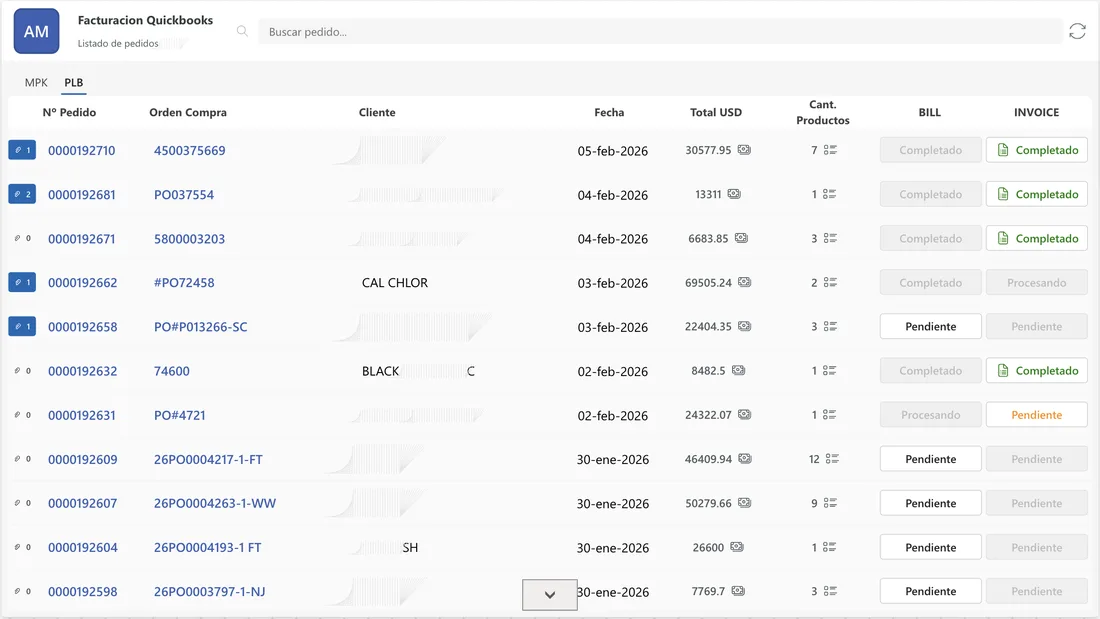
The company had grown rapidly — from local operations to multinational presence — but the technology infrastructure hadn't scaled at the same pace. The reality I found: an on-premise SAP system over 20 years old with no expansion capability, zero cloud presence (no Azure or anything), Qlik Sense misused as a Data Warehouse, critical processes managed with Excel and paper, manual invoicing via email, and operational silos by country. They had no solutions department or cloud culture.
The decision that changed the project: stop and build foundations
When I saw the real situation, I had a direct conversation with the leadership team: building applications on this infrastructure was unsustainable. We could make the apps they asked for, but without foundations they'd be rebuilding everything in months. They were about to build on sand.
The decision was to pause the app backlog and design a phased roadmap: first cloud infrastructure and governance, then team, then data, and finally solutions. This sequence was key to everything that followed working.
Infrastructure and governance from zero
We built the cloud ecosystem from scratch. We implemented robust ALM with automated pipelines (separate development and production environments), hybrid connectivity through gateways with the on-premise SAP, granular Dataverse roles with Azure AD groups, standardization through UI templates, and a centralized application catalog.
Internal team: from external dependency to autonomy
I led the recruitment of 4 developers and 1 PM. Not just hiring — I implemented Agile culture from zero: two-week sprints, retrospectives, and formal prioritization. IT went from being a reactive department to functioning as a solutions factory. The goal was clear: they wouldn't depend on me for every change.
Microsoft Fabric: one truth for 4 countries
With operations in multiple jurisdictions, data was in silos by country. We implemented Microsoft Fabric to unify the data truth from all 4 jurisdictions in a single analytics lake. This allowed leadership to see a consolidated real snapshot of the business, not fragments that someone was manually pasting together every week.
Featured solutions
Invoicing with AI Builder: automatic data extraction from international invoices in PDF with dynamic prompts, integrated via API with multiple systems. What previously consumed hours of manual work is now reduced to minutes.
Factory digitalization: suite of apps on tablets for the plant — attendance, incidents, inventory, and quality. Real-time data, zero paper.
The result: 50+ solutions, autonomous team, enterprise platform
Over 50 solutions in production. An internal team of 5 people trained and autonomous. Migration from 0% to 100% cloud. Unified data in Fabric. And a relationship that transcended the technical: from being hired to "make apps", I became Trusted Advisor — validating third-party proposals, designing the technology roadmap alongside C-Level, and participating in decisions about ERP evolution.
This is the model I defend: not going in, making apps, and leaving. But building a solid foundation, training the team, and supporting the client while the platform grows.